




How to Choose Steel Fiber for Concrete? Expert Selection Guide | Daye
 Aug 21, 2026|
 View:211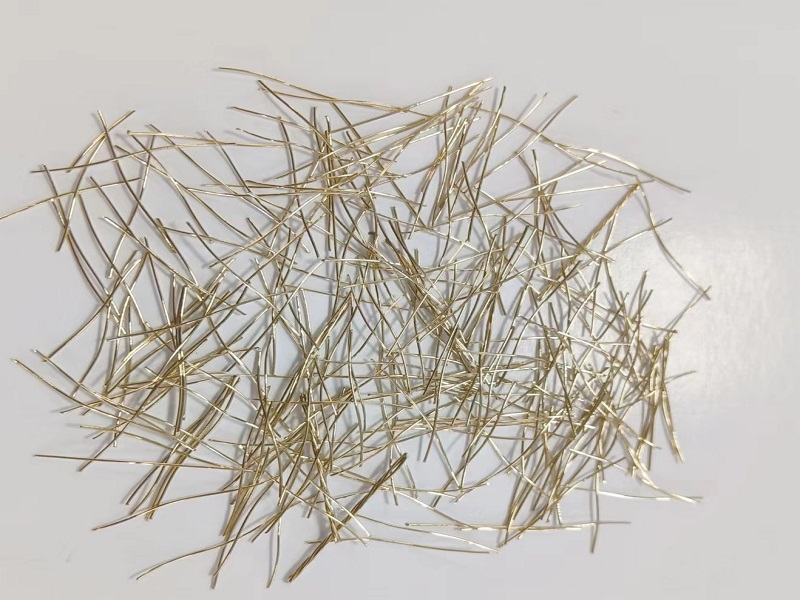
Selecting the right steel fiber for a concrete project can feel overwhelming. With multiple fiber types, varying geometries, and different performance specifications available, how do you know which one is right for your application? Whether you are designing an industrial floor, a tunnel lining, a bridge deck, or a UHPC structural element, the choice of steel fiber directly impacts crack control, durability, and overall project success.
This guide breaks down the key selection criteria into clear, actionable steps. By understanding the essential parameters—fiber type, geometry, tensile strength, coating, and dosage—you can confidently choose the right steel fiber for your specific project requirements.
Key Takeaways
| Selection Factor | What to Consider |
|---|---|
| Fiber Type | Hooked-end, straight, micro, or stainless — each offers different bonding and performance characteristics |
| Fiber Geometry | Diameter (typically 0.12–0.75 mm) and length (6–60 mm) determine aspect ratio and reinforcement efficiency |
| Tensile Strength | Ranges from 1,100 MPa to over 2,850 MPa — higher strength fibers are essential for demanding applications |
| Coating | Brass/copper-coated fibers offer superior corrosion resistance and enhanced bond strength |
| Dosage | Typically 20–80 kg/m³ for most applications; UHPC may require 150–314 kg/m³ |
| Application | Match fiber specifications to project requirements — industrial floors, tunnel shotcrete, bridge decks, and precast elements each have unique needs |
1. Understand the Different Steel Fiber Types
The first step in choosing steel fiber is understanding the available types and their respective strengths.
Hooked-End Steel Fiber
Hooked-end steel fiber is the most widely used type in construction. The hooked ends provide exceptional mechanical anchorage within the concrete matrix, resisting pull-out forces and allowing the fiber to continue bridging cracks. Research demonstrates that hooked-end fibers achieve pull-out loads 2–3 times higher than equivalent straight fibers.
Best for: Industrial floors, tunnel linings, shotcrete, pavements, and precast elements.
Straight Steel Fiber
Straight steel fiber disperses evenly throughout the concrete mix and is highly effective for applications requiring uniform reinforcement. While it may not provide the same mechanical anchorage as hooked-end fibers, it offers excellent dispersion characteristics and a lower risk of fiber balling during mixing.
Best for: Shotcrete, refractory applications, and general-purpose reinforcement.
Micro Steel Fiber
Micro steel fiber is characterized by its small diameter (typically 0.12–0.3 mm) and short length (6–30 mm). These fine fibers are specifically engineered for high-performance concrete applications such as UHPC (Ultra-High Performance Concrete) and RPC (Reactive Powder Concrete).
Best for: UHPC structural elements, high-speed railway components, and thin precast sections.
Stainless Steel Fiber
For the most demanding corrosive environments, stainless steel fiber provides unparalleled protection against rust and degradation.
Best for: Marine engineering, chemical plants, wastewater treatment facilities, and refractory applications.
2. Evaluate Fiber Geometry: Diameter, Length, and Aspect Ratio
The diameter and length of steel fiber determine its aspect ratio (length ÷ diameter), which directly influences reinforcement efficiency.
| Fiber Type | Diameter Range | Length Range | Typical Aspect Ratio |
|---|---|---|---|
| Micro Steel Fiber | 0.12–0.3 mm | 6–30 mm | 30–100 |
| Hooked-End Steel Fiber | 0.2–0.56 mm | 13–40 mm | 40–80 |
| Stainless Steel Fiber | 0.16–0.75 mm | 13–30 mm | 20–60 |
General guideline: Higher aspect ratios (closer to 100) provide superior crack control but require careful mixing to avoid fiber balling. For UHPC applications, fibers with aspect ratios around 65 offer an optimal balance of dispersion and performance.
3. Consider Tensile Strength Requirements
The tensile strength of steel fiber determines its ability to withstand tensile forces across cracks without breaking. Standard steel fibers typically offer tensile strengths above 1,100 MPa, while high-performance variants can reach 2,850 MPa and beyond.
Recommended tensile strength targets by application:
General crack control: ≥ 1,100 MPa
High-performance concrete: ≥ 2,000 MPa
UHPC structural elements: ≥ 2,850 MPa
4. Select the Right Coating
The coating on steel fiber serves two purposes: corrosion protection and bond enhancement.
| Coating Type | Advantages | Best Applications |
|---|---|---|
| Brass/Copper-coated | Corrosion resistance, enhanced bond, prevents rust staining | Marine, bridges, UHPC, exposed concrete |
| Non-coated | Lower cost | Dry interior, non-chloride environments |
Brass-coated or copper-coated steel fiber provides excellent corrosion resistance, even in chloride-rich environments. For UHPC and high-durability applications, coated fibers are the industry standard.
5. Determine the Optimal Dosage
Determining the right dosage of steel fiber is application-specific. Too little fiber provides inadequate reinforcement; too much can cause workability issues and fiber balling.
Typical dosage ranges:
| Application Type | Dosage Range (kg/m³) | Performance Objective |
|---|---|---|
| Light crack control | 10–20 | Reduce shrinkage cracking |
| Industrial floors and pavements | 20–30 | Improved abrasion resistance, moderate toughness |
| Tunnel shotcrete | 25–35 | Enhanced impact resistance, reduced spalling |
| Bridge decks | 40–60 | Fatigue resistance, crack control under cyclic loading |
| UHPC structural elements | 150–314 | Ultra-high compressive strength, post-crack ductility |
For most applications, a minimum dosage of 20 kg/m³ is required for effective crack control. Steel fibers within 1%–2% volume fraction optimize the workability-mechanical balance.
6. Match Fiber to Application Requirements
Different projects impose different demands on steel fiber.
Industrial Floors and Pavements
Recommended: Hooked-end or straight steel fiber, diameter 0.5–0.75 mm, length 30–50 mm, dosage 20–30 kg/m³, tensile strength ≥ 1,100 MPa.
Tunnel Linings and Shotcrete
Recommended: Hooked-end steel fiber, diameter 0.35–0.56 mm, length 25–40 mm, dosage 25–35 kg/m³.
UHPC Structural Elements
Recommended: Micro steel fiber, brass-coated, diameter 0.12–0.2 mm, length 13–20 mm, dosage 150–314 kg/m³, tensile strength ≥ 2,850 MPa.
Bridge Decks and Highway Pavements
Recommended: Hooked-end, brass-coated steel fiber, diameter 0.2–0.35 mm, length 13–25 mm, dosage 40–60 kg/m³, tensile strength ≥ 2,000 MPa.
Frequently Asked Questions (FAQ)
Q1: What is the most common type of steel fiber used in construction?
A: Hooked-end steel fiber is the most widely used type due to its superior mechanical anchorage and excellent crack resistance.
Q2: How do I choose between micro steel fiber and macro steel fiber?
A: Choose micro steel fiber for UHPC and high-performance applications requiring fine dispersion and high tensile strength (>2,850 MPa). Choose macro steel fiber for industrial floors, tunnel shotcrete, and heavy-duty pavements.
Q3: Does steel fiber in concrete rust?
A: Brass-coated or copper-coated steel fiber provides excellent corrosion resistance. Non-coated steel fibers can rust if exposed at the concrete surface.
Q4: What is the recommended steel fiber dosage?
A: Typical dosages range from 20–80 kg/m³ for most applications. UHPC may require 150–314 kg/m³.
Q5: Can steel fiber completely replace rebar?
A: No. Steel fiber provides excellent crack control and toughness but cannot replace primary structural reinforcement in load-bearing members.
Q6: What standards should steel fiber comply with?
A: High-quality steel fiber should comply with ASTM A820, EN 14889-1, and ideally ISO 13270.
Q7: How do I prevent fiber balling during mixing?
A: Add fibers gradually during dry mixing, use forced-action mixers, avoid excessive dosages, and ensure proper mixing time.
Why Choose Daye as Your Steel Fiber Partner
Selecting the right steel fiber is only half the equation. Partnering with a manufacturer that understands your application and delivers consistently high-quality materials is equally important.
Ganzhou Daye Metallic Fibres Co., Ltd. has been a trusted name in the steel fiber industry since 2002. Daye offers a full range of steel fiber products to meet different engineering requirements. From micro steel fiber for UHPC to stainless steel fiber for corrosive environments, Daye provides solutions for virtually every application. Daye's steel fiber is made from high-quality raw materials through precision cold-drawing processes, ensuring stable and excellent tensile strength in every batch.
When you are ready to specify the right steel fiber for your next project, partner with Daye—a steel fiber manufacturer you can trust.